

Public resources and initiatives
20/32 Heroiv Kruty Boulevard
м. Chernivtsi, Ukraine, 58000
Tel.: +380930676595,
e-mail: fsri.office@gmail.com
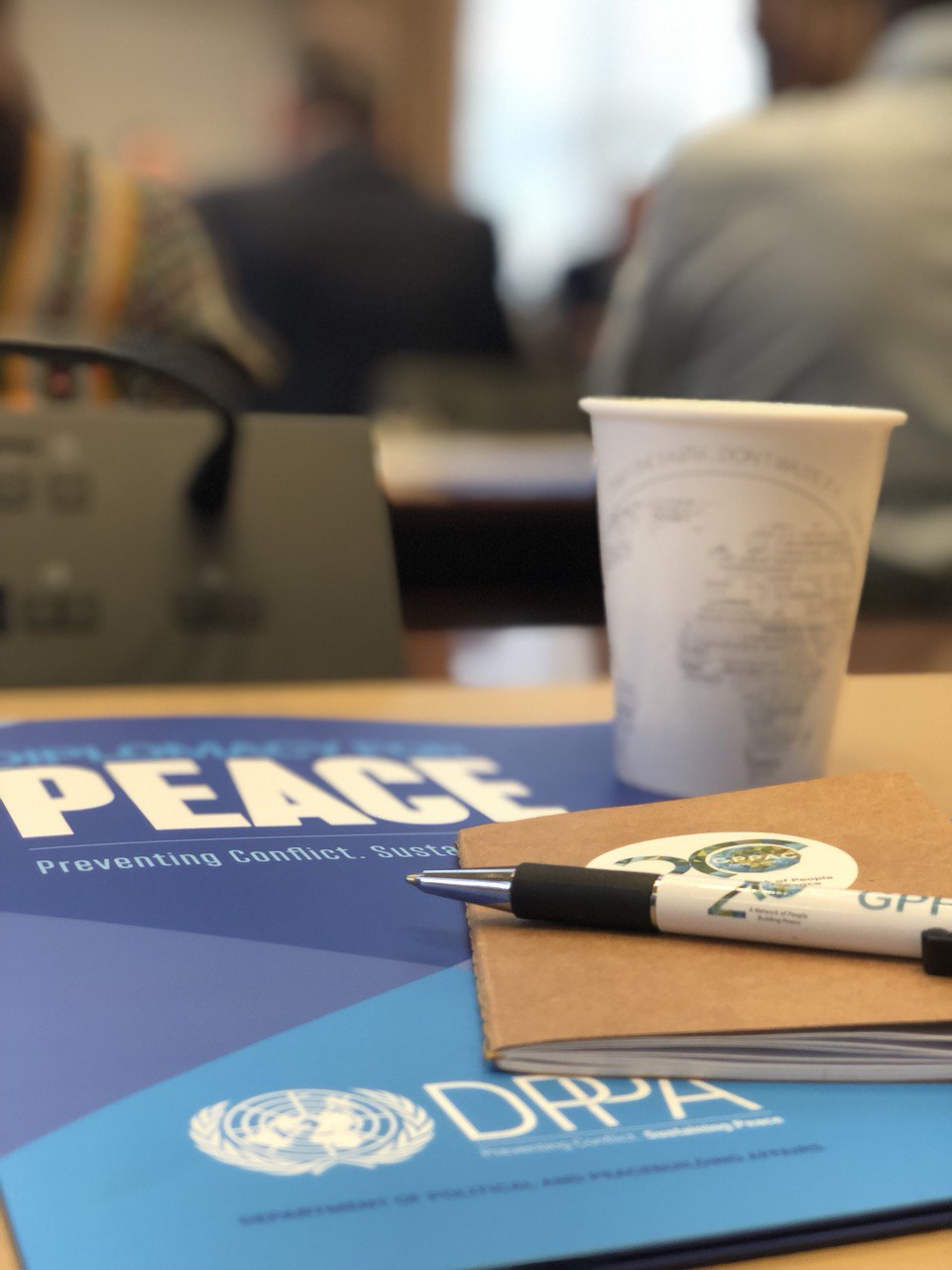 |
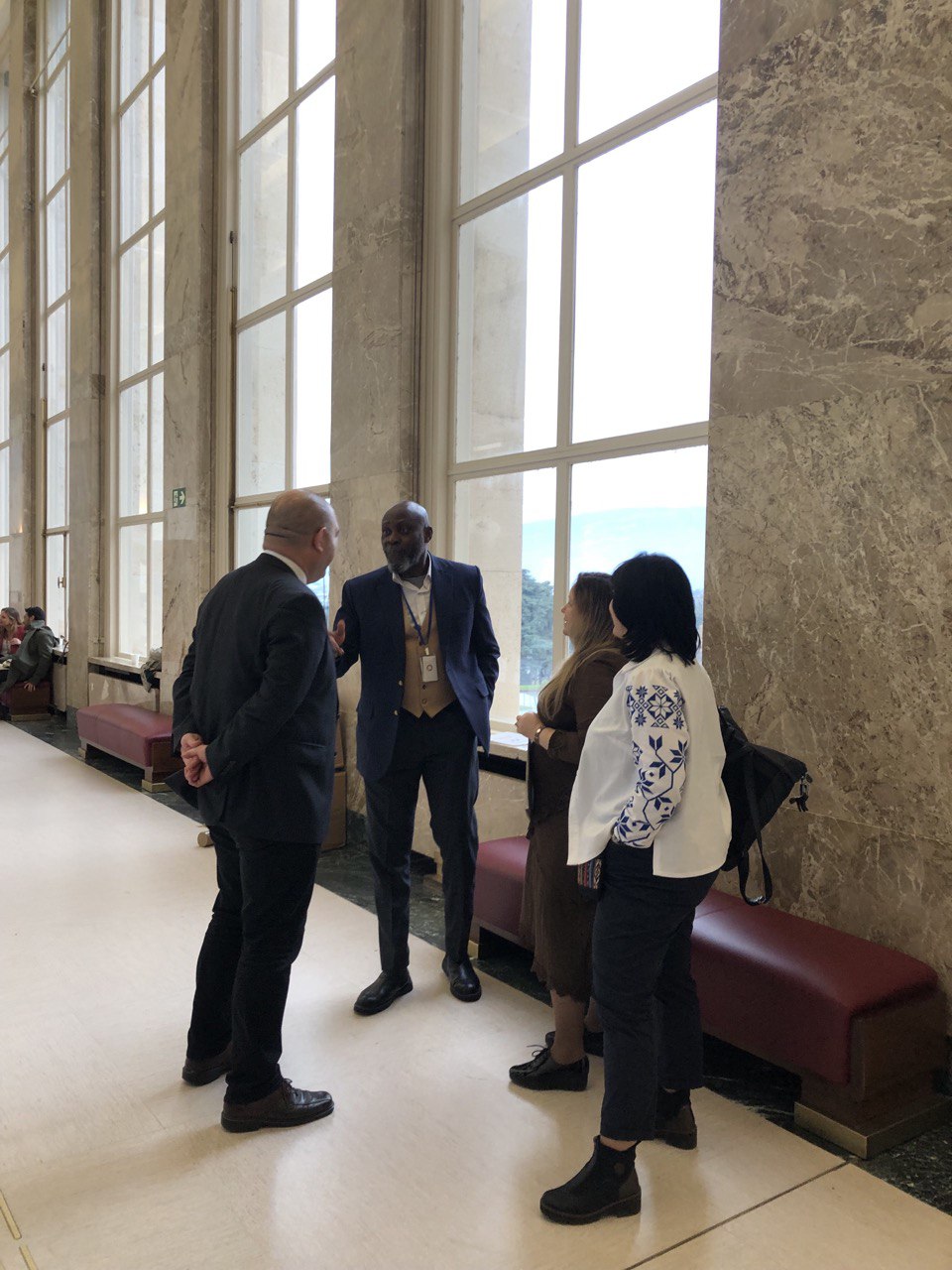
For the third time, the Civil Society Organizations–United Nations Peacebuilding Dialogues have taken place. Among the organizations involved in organizing the event was the Global Partnership for the Prevention of Armed Conflict (GPPAC), whose Eastern Europe Network Regional Secretariat is hosted by the Public Resources and Initiatives Charity Foundation. This year, Geneva was chosen as the meeting place for participants from all corners of the world. On 10–11 December, discussions at the United Nations Office in Geneva focused on the challenges of contemporary peacebuilding, the role of youth in shaping new formats of peace action, as well as the challenges and opportunities for strengthening the impact of the non-governmental sector in shaping national and global policies. A cross-cutting theme of this year’s dialogues was a holistic systems approach, which views problems or individual cases as parts of a larger, interconnected system, whose components influence one another, and where decisions made in one area have consequences for other parts of the system. Based on this approach, participants discussed opportunities for fundraising and financing peacebuilding initiatives worldwide, as well as models of NGO work across different regions — from Africa to Latin America and Eastern Europe. |
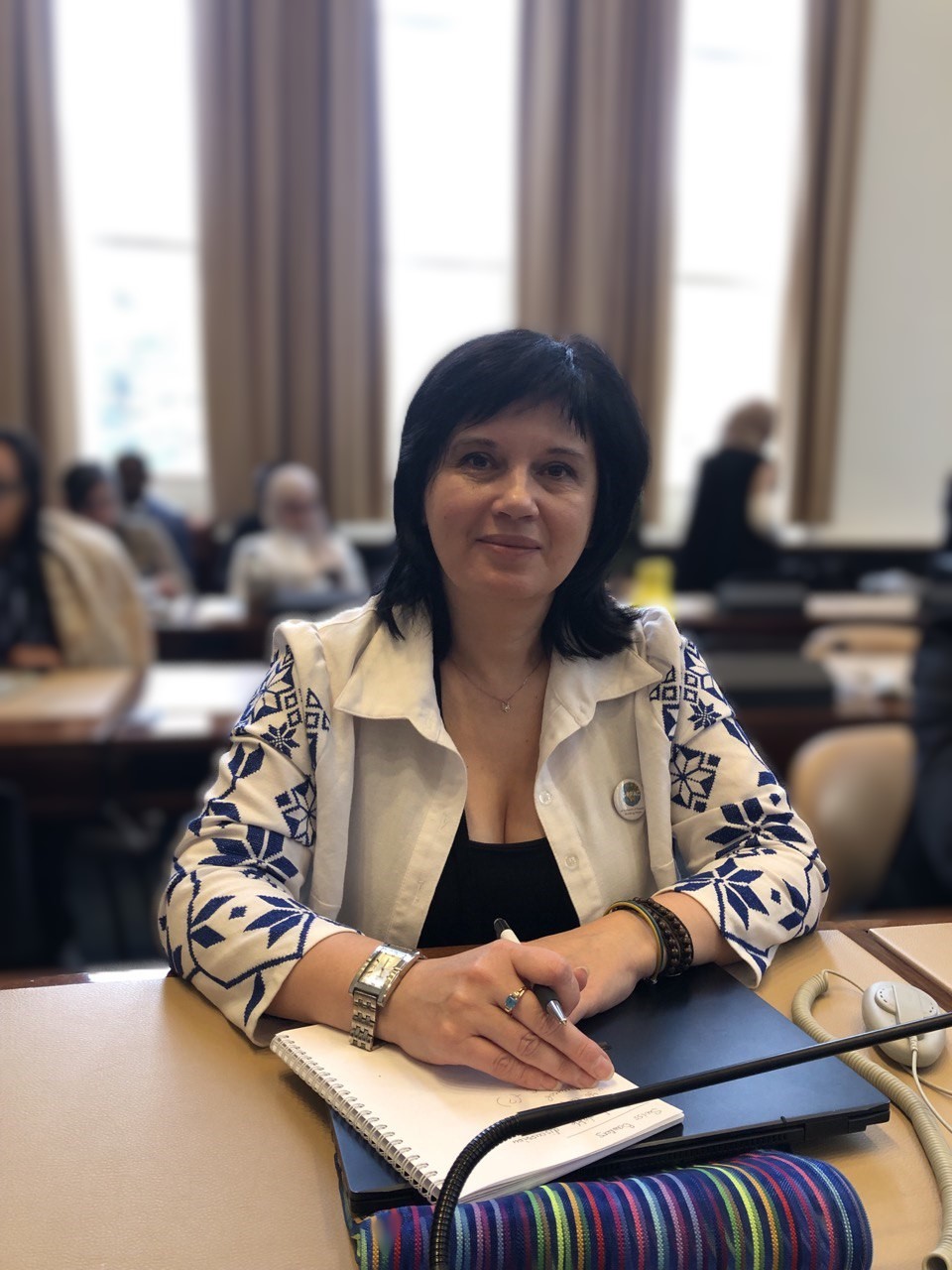
Special attention was given to the Russian-Ukrainian war and its impact on the work of NGOs, as well as their interaction with public authorities at the regional and global levels. During a discussion on the application of a holistic systems approach at the regional level, Nataliia Nechaieva-Yuriichuk, a member of the Public Resources and Initiatives Charity Foundation and Regional Representative of the GPPAC Eastern Europe Network, emphasized the devastating impact of the Russian-Ukrainian war on all spheres of life in the region.
“By developing partnerships at all levels and exchanging experience, we can achieve far more in our work during the war and in the period of post-war recovery,” she stressed, citing the Foundation’s activities during the full-scale war as an example.
 |
 |