


Public resources and initiatives
20/32 Heroiv Kruty Boulevard
м. Chernivtsi, Ukraine, 58000
Tel.: +380930676595,
e-mail: fsri.office@gmail.com
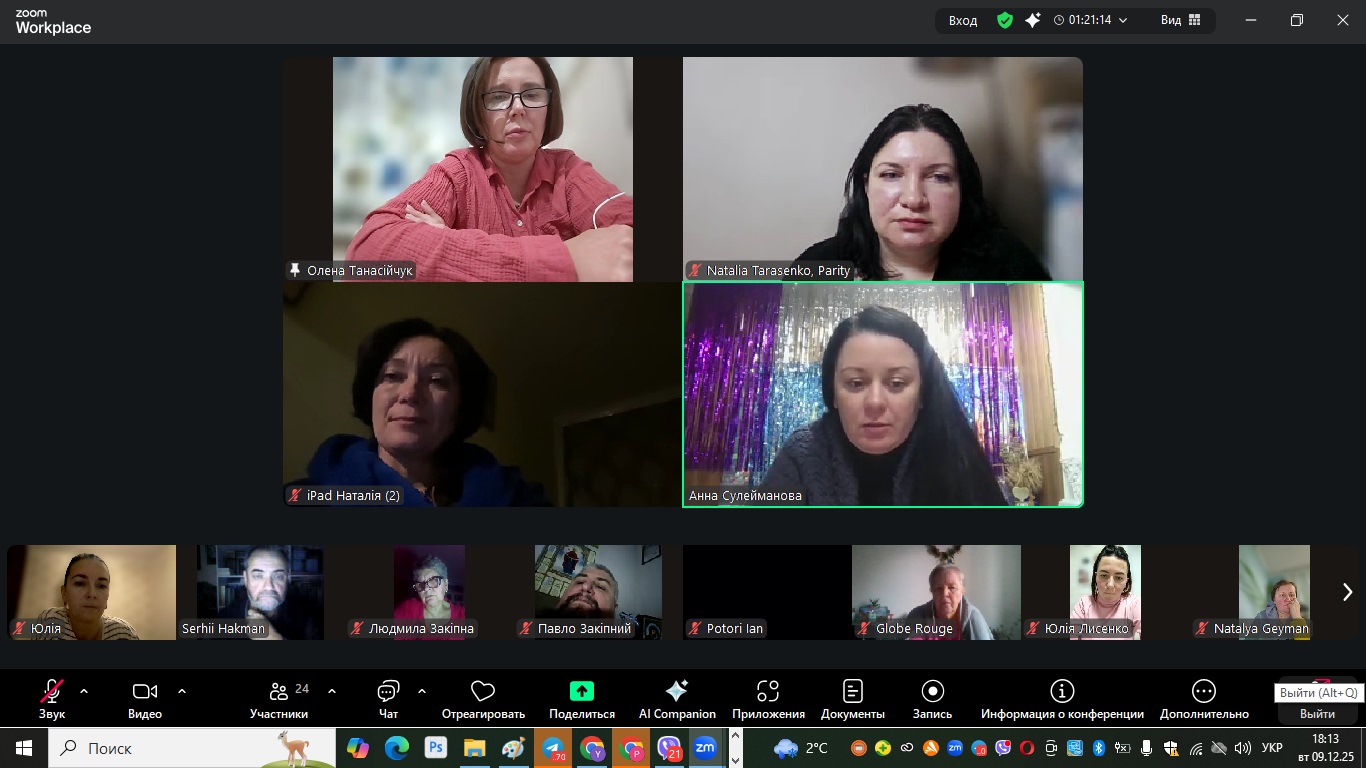
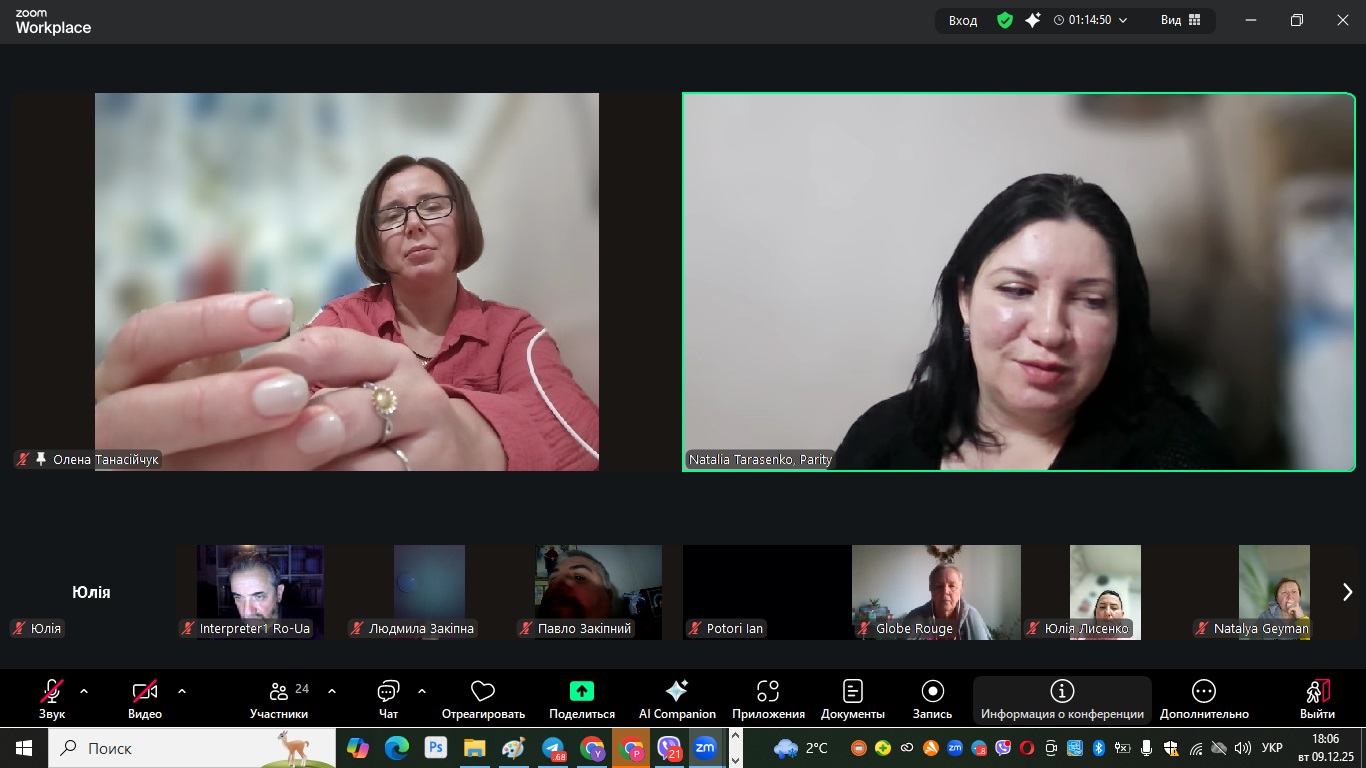
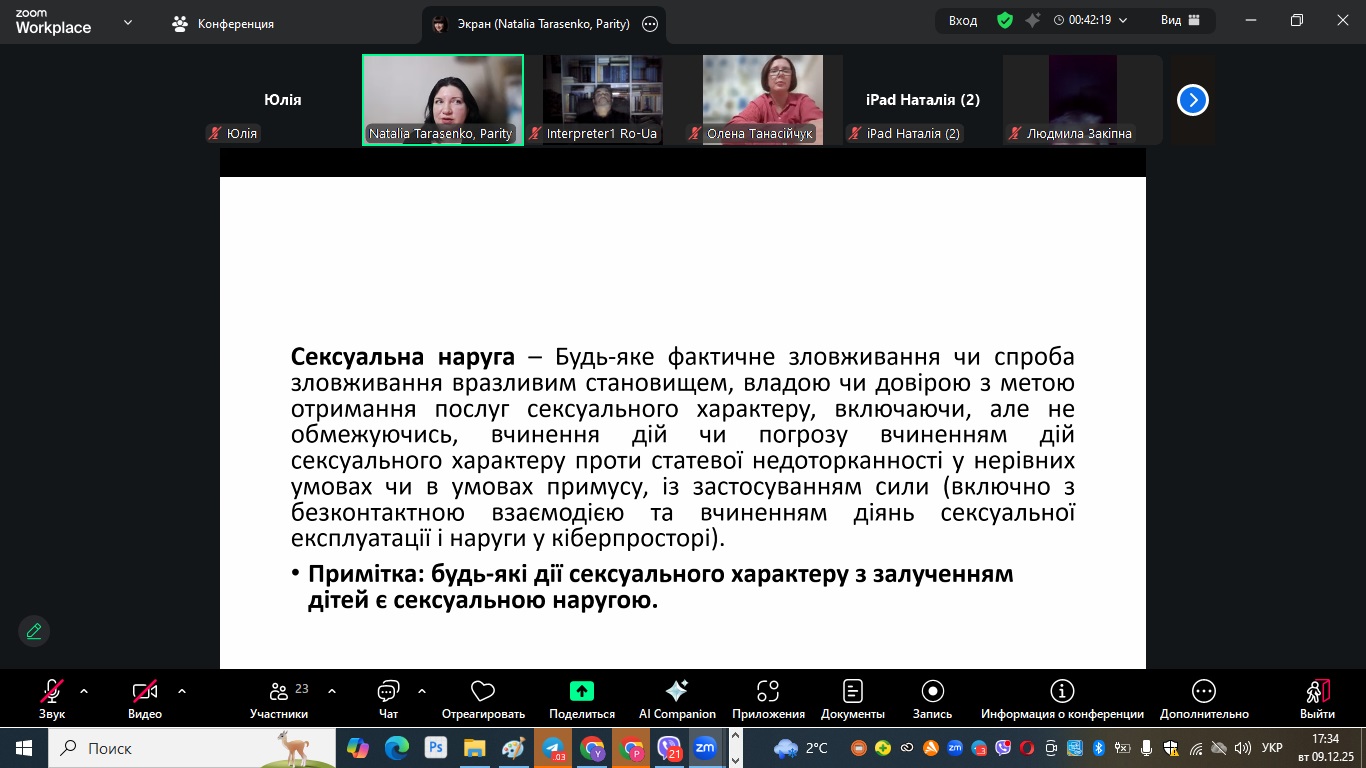
On 9 December 2025, the Public Resources and Initiatives Charity Foundation conducted an online training session titled “Protection of Sexual Exploitation and Abuse (PSEA) in Humanitarian Action” as part of the project “Institutional Capacity Strengthening”, with the technical support of UN Women in Ukraine and the United Nations Women’s Peace and Humanitarian Fund (WPHF).
WPHF is a flexible and rapid financing instrument that supports high-quality initiatives aimed at strengthening the capacity of local women to prevent conflicts, respond to crises and emergencies, and seize key peacebuilding opportunities.
The training was delivered by Nataliia Tarasenko, a gender equality expert, member of the Public Resources and Initiatives Charity Foundation, regional representative in Zhytomyr region, and Head of the NGO “Equal Opportunities Center ‘Parity’.”
– Ms. Nataliia, what is the PSEA policy and why is it so important for humanitarian organizations?
N.T.: The PSEA policy (Protection of Sexual Exploitation and Abuse) is not just a set of rules. It is a system of values that defines how we treat the people we support and how we interact within our teams.
It is about absolute zero tolerance for any form of sexual exploitation, abuse, or misuse of power in the humanitarian sector.
For organizations working with vulnerable groups — women, children, internally displaced persons, and people from occupied territories — this is not only an ethical issue, but also a matter of safety.
Humanitarian contexts involve power asymmetry: one person has access to resources, while another depends on assistance. This is precisely where the risk of abuse arises.
That is why the PSEA policy serves as a safeguard that protects not only aid recipients, but also the reputation and ethical foundations of organizations themselves.
– What are the main challenges in implementing PSEA policies in the Ukrainian context?
N.T.: The biggest challenge is silence and the lack of effective prevention and response mechanisms for different forms of violence.
In our culture, sexual violence remains a taboo topic. People are afraid to speak out, lack trust in justice, and do not believe institutions will protect them.
Therefore, work must begin with education and awareness — understanding that seeking help is not a sign of weakness, but an act of trust in the system.
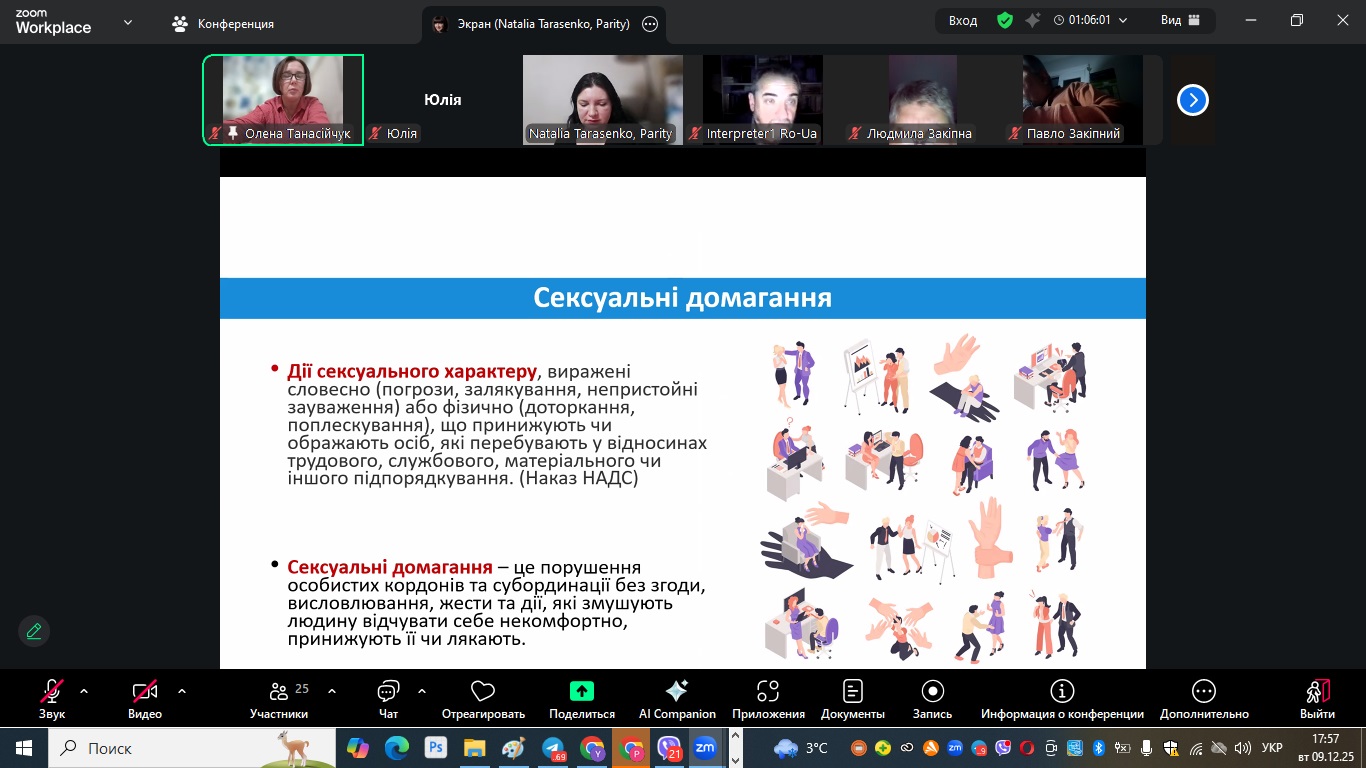
The second challenge is insufficient staff training. Often, people do not even realize which actions may constitute exploitation or harassment. We are talking not only about criminal acts, but also about everyday situations — violations of personal boundaries, inappropriate jokes, or the use of a professional position for manipulation.
PSEA is not only about investigations; first and foremost, it is about prevention and building a safe culture of communication.
– How does the approach to this issue change in times of war?
N.T.: War creates an environment of extreme vulnerability. People lose their homes, incomes, and support networks — and become targets for those who seek to exploit their situation.
We see cases of sexual and labor exploitation of women from frontline and de-occupied areas, incidents of violence in shelters, and even among those who were meant to help. That is why humanitarian organizations must stay one step ahead — through training, monitoring, and rapid response.
Our task is to ensure that assistance never becomes a source of harm.
– What role does internal organizational policy play in this process?
N.T.: A critically important one. An organization that takes PSEA seriously must have clear protocols: a code of conduct, reporting channels, designated focal points, and response mechanisms.
However, a formal document will not work without an internal culture of responsibility.
Every staff member must understand: “I am part of a safe environment. I am responsible for ensuring that the people I work with feel protected.”
At the Foundation, we are currently reviewing our safety policy, aligning it with UN Women international standards, and planning regular training sessions for new team members. This is part of institutional maturity.
– How can societal attitudes toward sexual violence, especially in the context of war, be changed?
N.T.: We must start by acknowledging that it happens.
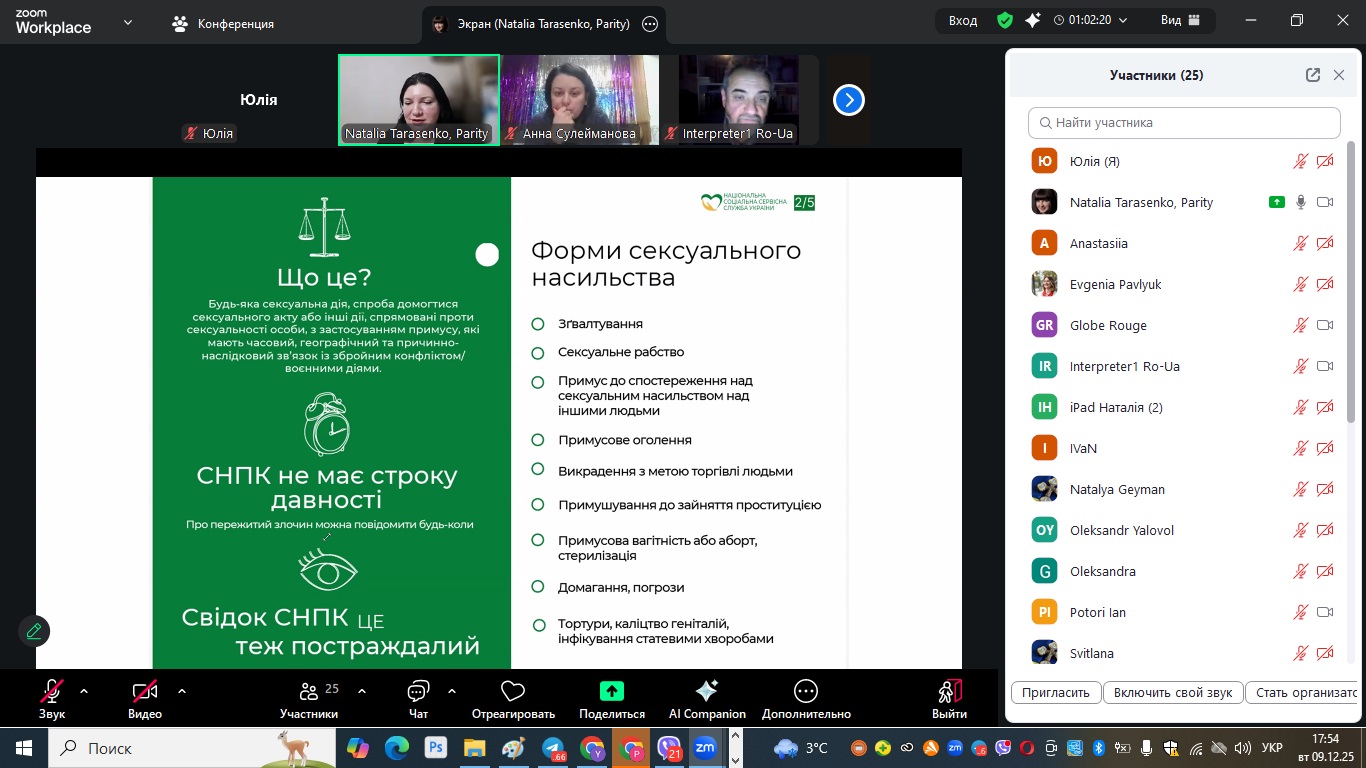
Sexual violence during war is a war crime, and it has no statute of limitations. We must support survivors in ways that do not retraumatize them through indifference or disbelief.
When the humanitarian system demonstrates empathy, sensitivity, and readiness to act, it restores people’s faith in justice and humanity.
– What concrete steps would you recommend to civil society and charitable organizations that are just beginning to implement PSEA policies?
N.T.: Start with education — explain to every team member what PSEA is and why it matters.
Appoint a responsible focal point or committee and develop response procedures. Create safe reporting channels (anonymous and independent). Integrate PSEA into all stages of work — from staff recruitment to partner assessment.
And most importantly — live by these principles every day.
If we want to be taken seriously, we must act in a way that ensures every person receiving assistance feels safe and respected.
This publication was prepared with the financial support of the United Nations Women’s Peace and Humanitarian Fund (WPHF). The views and content expressed herein do not necessarily reflect the official position of the United Nations.
Background information:
The United Nations Women’s Peace and Humanitarian Fund (WPHF) is the only global mechanism exclusively dedicated to supporting women’s participation in peacebuilding, security processes, and humanitarian action. Governed by representatives of civil society, governments, and the UN, WPHF is a multi-partner trust fund that mobilizes urgently needed financing for women-led local organizations and works with women on the frontlines to build sustainable peace. Since 2016, WPHF has supported and strengthened the capacity of more than 1,000 local women’s civil society organizations working on the Women, Peace and Security agenda and humanitarian action in 41 crisis-affected countries worldwide.
 |
 |
 |
 |