


Public resources and initiatives
20/32 Heroiv Kruty Boulevard
м. Chernivtsi, Ukraine, 58000
Tel.: +380930676595,
e-mail: fsri.office@gmail.com
In Dnipro — a city that regularly lives under the sound of air raid sirens and missile attacks, and has become one of the key humanitarian response hubs in Ukraine — lives Yuliia Lysenko, a volunteer with the Public Resources and Initiatives Charity Foundation.
Her journey in volunteering began on a personal level — by supporting the families of those defending Ukraine. Through this, she first became involved in helping people affected by the war.
At that time, her participation in volunteering remained limited. Living under constant security risks and balancing family responsibilities while on maternity leave, she — like many women in Ukraine — faced isolation, emotional exhaustion, and reduced opportunities for active engagement.
At the same time, her desire to contribute never faded.
Initially, her efforts were focused on supporting families of veterans — particularly those connected to her close circle. Over time, this support expanded. Through mutual acquaintances, Yuliia learned about the Foundation’s work and gradually became involved in its activities — assisting in the distribution of humanitarian aid to internally displaced persons and helping prepare gifts for children.
Her engagement remained irregular, yet her internal motivation to do more continued to grow.
“It felt like life was on pause, but inside I knew I wanted to move forward,” Yuliia shares.
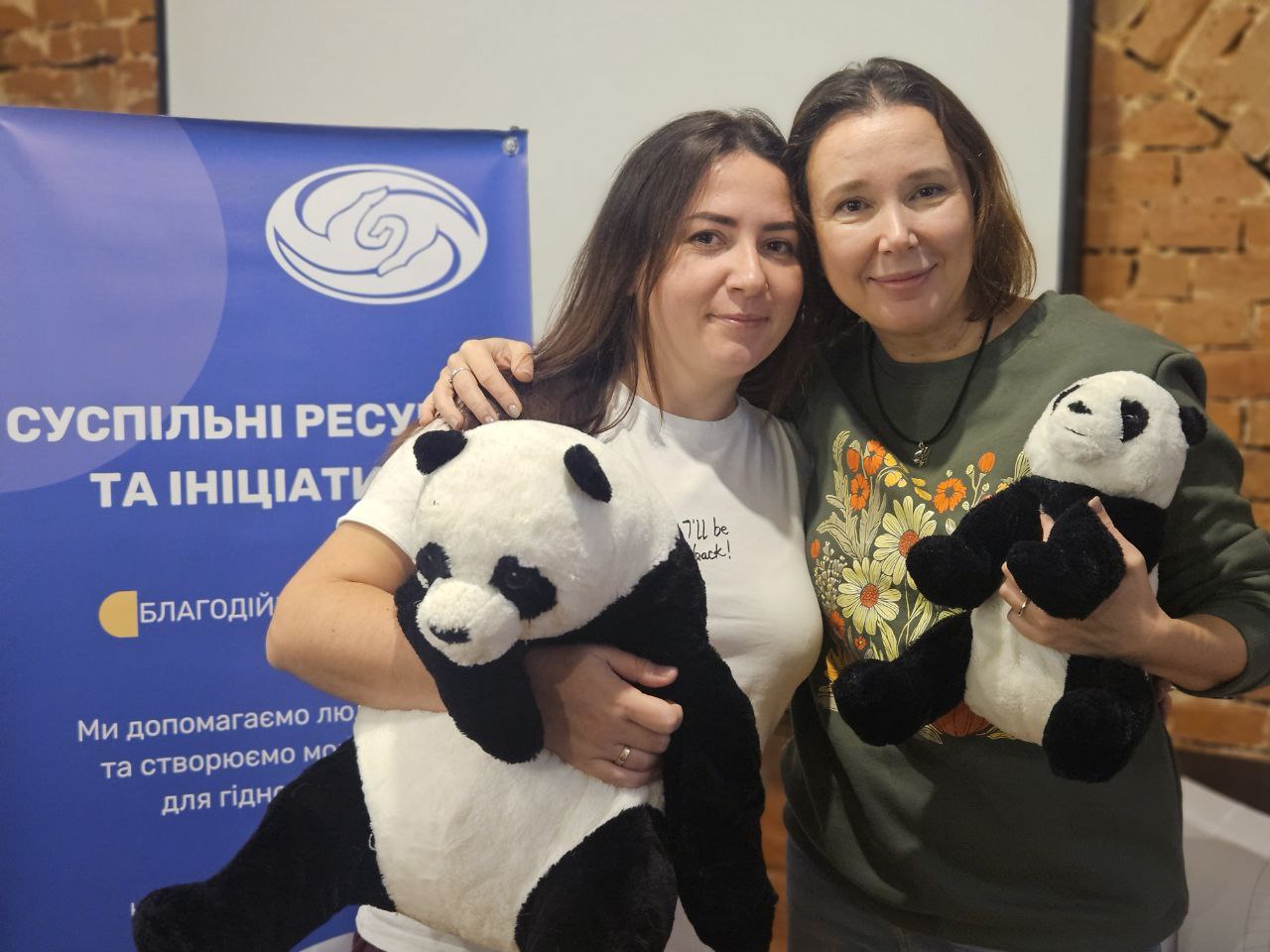
In 2025, as the Foundation implemented the project “Strengthening the Institutional Capacity of the Public Resources and Initiatives Charity Foundation” with the support of UN Women in Ukraine and funding from the Women’s Peace and Humanitarian Fund (WPHF), Yuliia’s level of engagement began to increase.
The project focused on strengthening the Foundation’s institutional capacity — particularly through strategic planning, clarifying team roles, and improving internal coordination. As part of this work, training activities and mental health support initiatives were also implemented, helping participants become more engaged in the organization’s work.
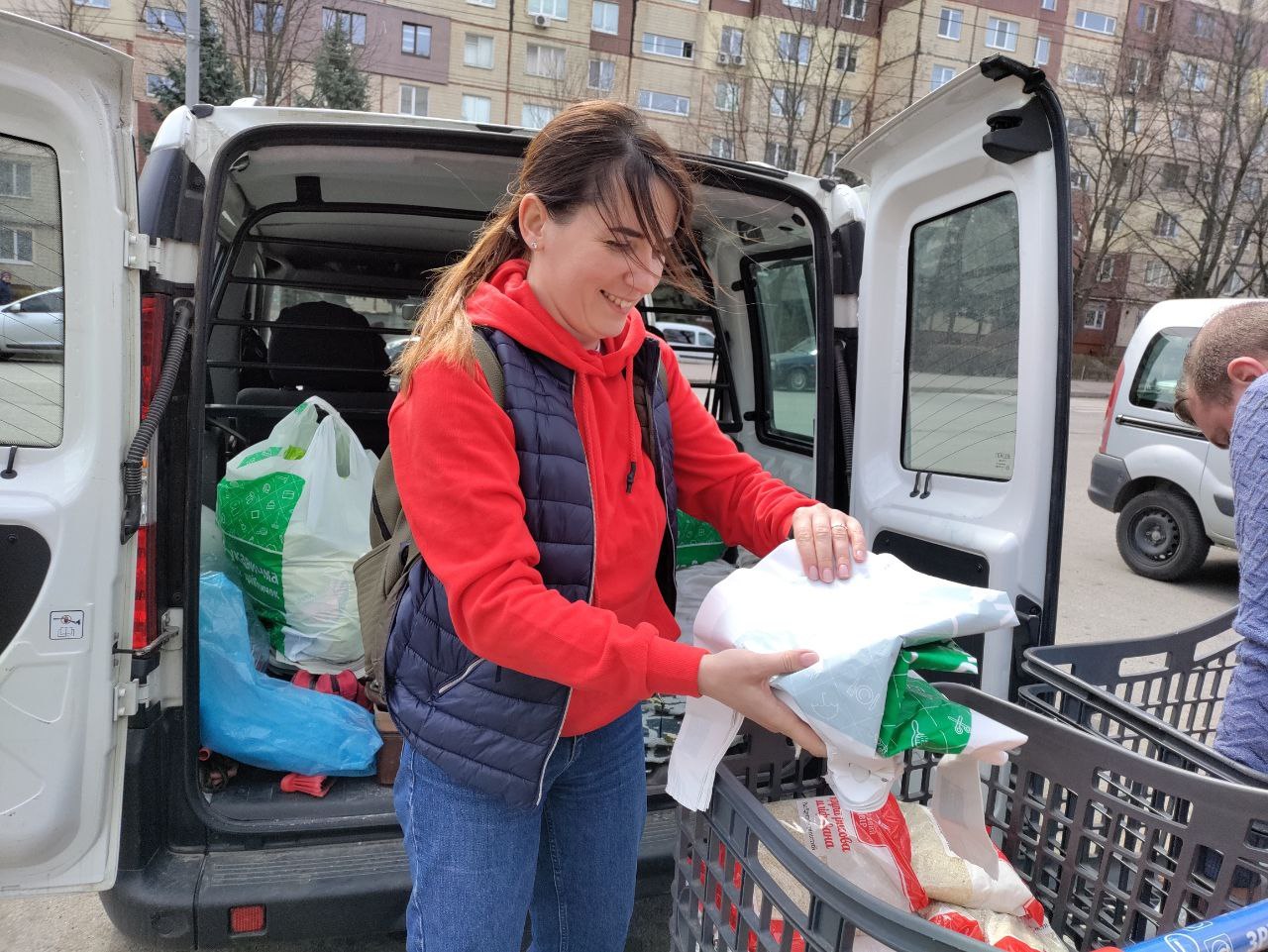
As a result, Yuliia became more actively involved in the Foundation’s activities and gained a clearer understanding of where she could contribute most effectively. Her role gradually evolved — from occasional support to a more consistent and active position within the team. She began taking responsibility for specific processes and contributing to different areas of the Foundation’s work.
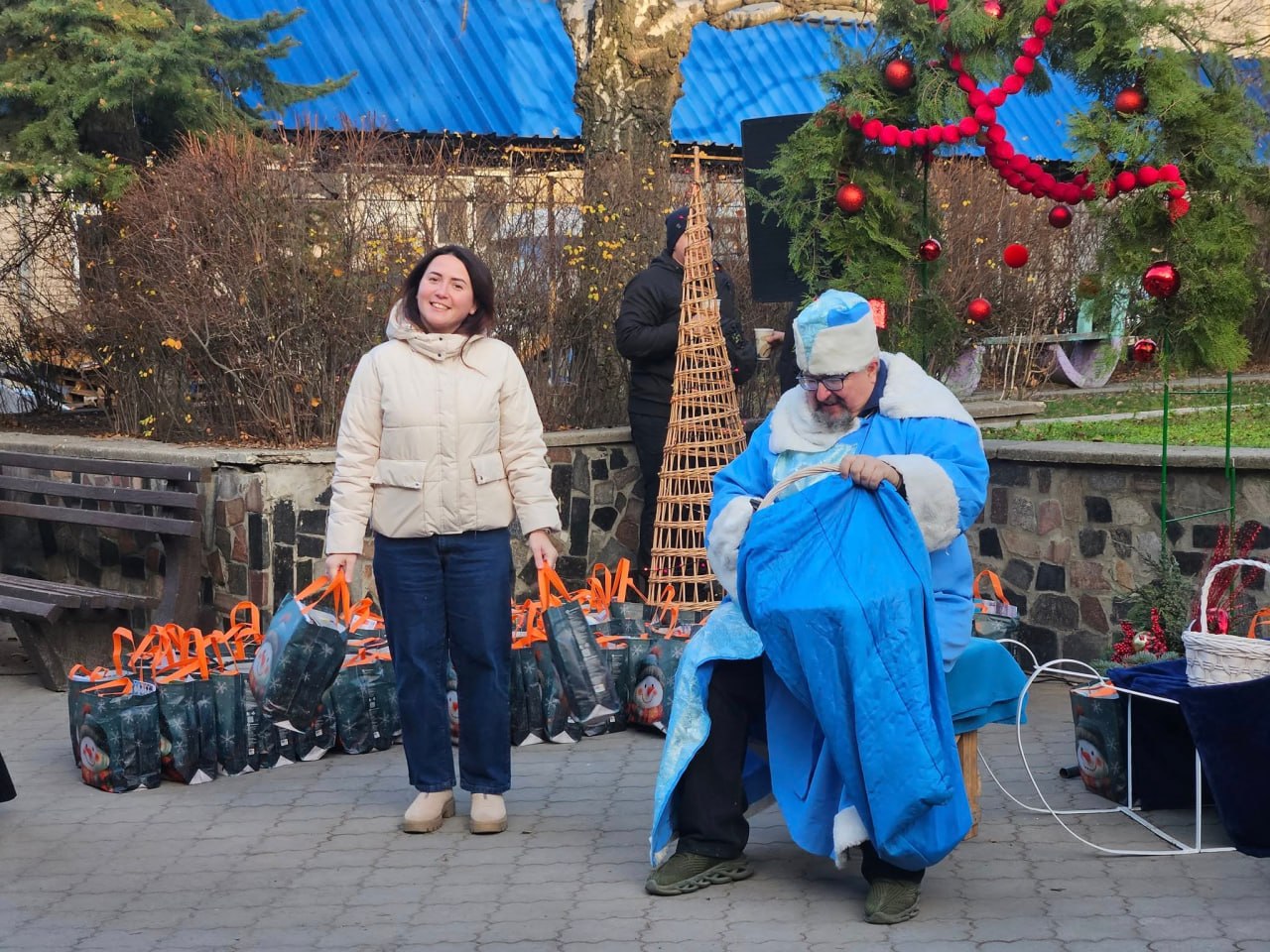
One clear example of this transformation was her role in the initiative “Give Kindness. Children-to-Children”, where Yuliia took on a significant part of the logistics for receiving gifts for children affected by the war. She organized the process, received parcels, and coordinated with the team — ensuring that every package was properly received and delivered to its destination.
Thanks to her consistent efforts and the work of the team, in 2025 more than 3,750 children from frontline regions received gifts, and over 2,000 people in the city of Dnipro received essential humanitarian assistance.
“I realized that even small steps are already progress. And that I can be part of change,” Yuliia says.
Beyond tangible results, this experience also gave her a strong sense of belonging. Regular participation and daily interaction with the team helped her feel part of it — she became more open in communication, built connections with like-minded people, and realized she was not alone in her challenges and aspirations.
“It was important for me to feel that I am part of a team. That my contribution matters, and that what I do truly helps — bringing joy to children and support to people affected by the war,” she adds.
“We see how training and support for women in communities translate into real action. Yuliia’s story shows how women move from occasional support to becoming active contributors to community recovery,” says Olena Tanasiichuk, President of the Public Resources and Initiatives Charity Foundation.
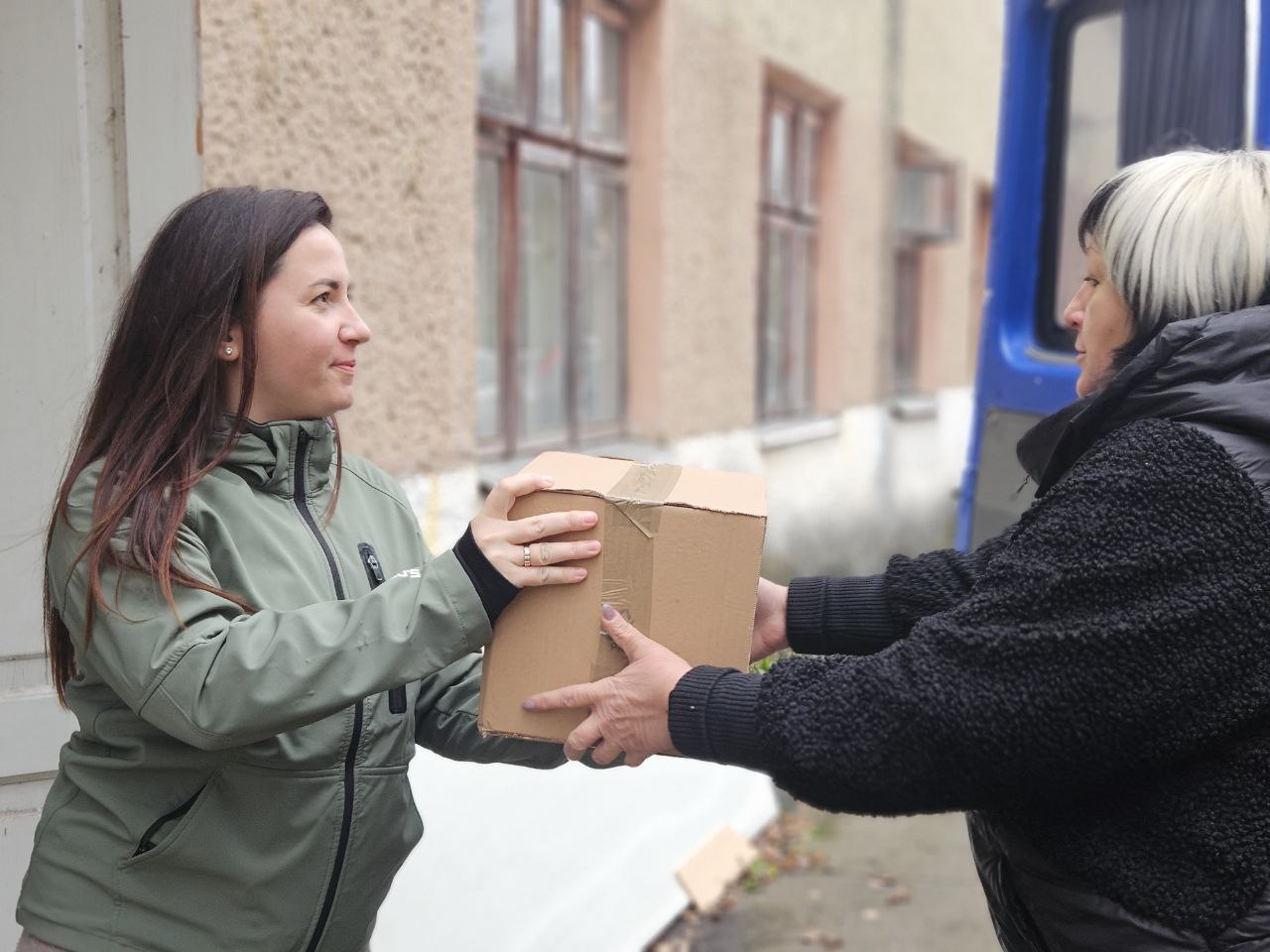
Today, Yuliia does not call herself a leader. Yet stories like hers are where new leadership begins — quiet, responsible, and grounded in experience, care, and inner strength.
The project has supported women in moving from limited participation to active roles in humanitarian initiatives by providing them with knowledge, skills, and opportunities to engage in team-based work. Yuliia’s story demonstrates how this support translates into real action — from helping when possible to taking responsibility for key processes and contributing to systematic support for people affected by the war.
This is how a community of women is formed — women who do not wait for change, but create it.
______________________________________________________________________
The project “Strengthening the Institutional Capacity of the Public Resources and Initiatives Charity Foundation” is produced by The Public Resources and Initiatives Charity Foundation ,funded by The United Nations Women’s Peace and Humanitarian Fund (WPHF) with technical support of UN Women Ukraine. The United Nations Women’s Peace and Humanitarian Fund (WPHF) mobilizes critical support for local and grassroots civil society organizations working on women, peace and security and humanitarian action. WPHF is a flexible and rapid financing mechanism supporting quality interventions designed to enhance the capacity of women to prevent conflict, respond to crises and emergencies, and seize key peacebuilding opportunities.
This publication is produced with funding from the United Nations Women’s Peace and Humanitarian Fund (WPHF), however, the views expressed and content included do not imply official endorsement or acceptance by the United Nations.