


Public resources and initiatives
20/32 Heroiv Kruty Boulevard
м. Chernivtsi, Ukraine, 58000
Tel.: +380930676595,
e-mail: fsri.office@gmail.com
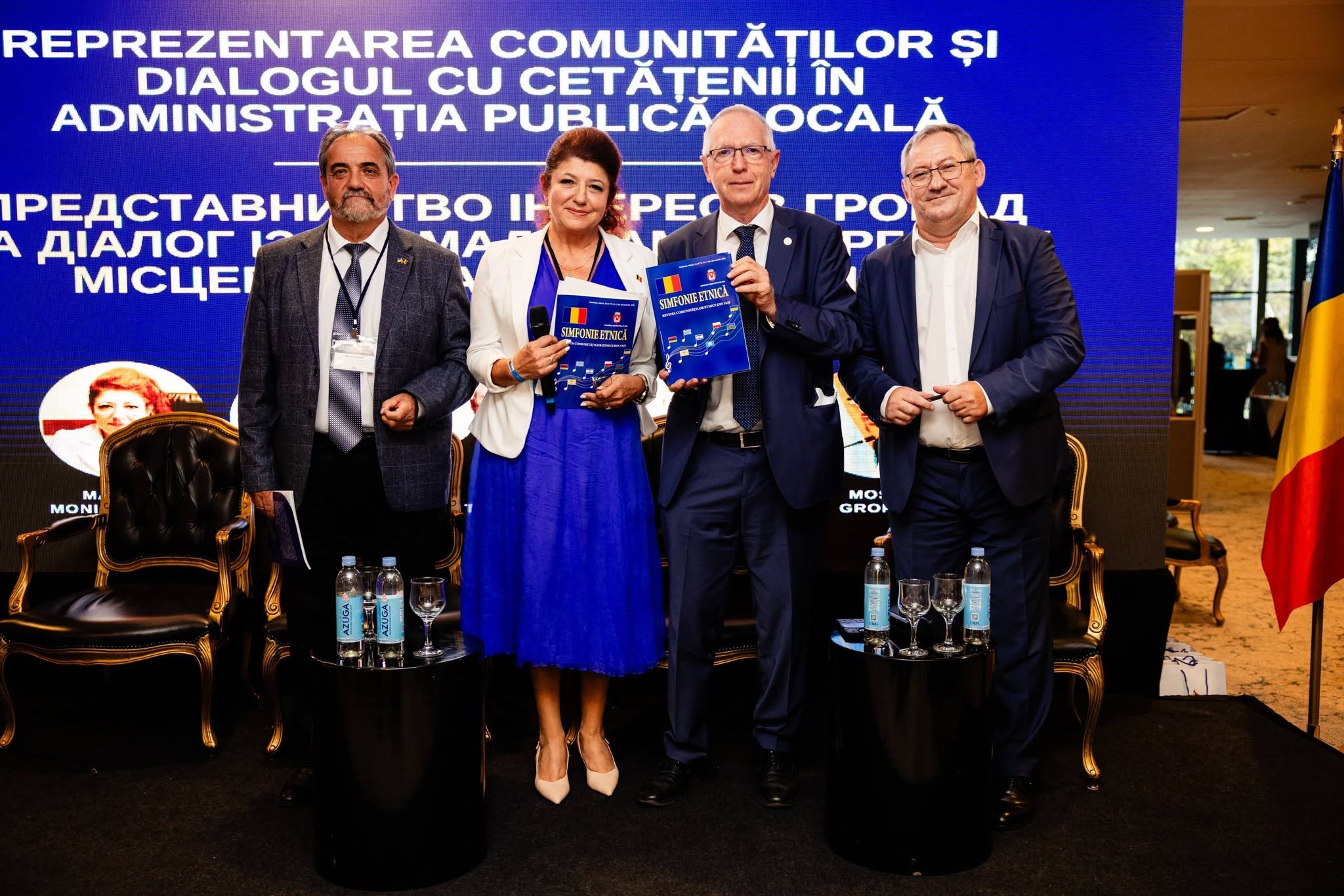
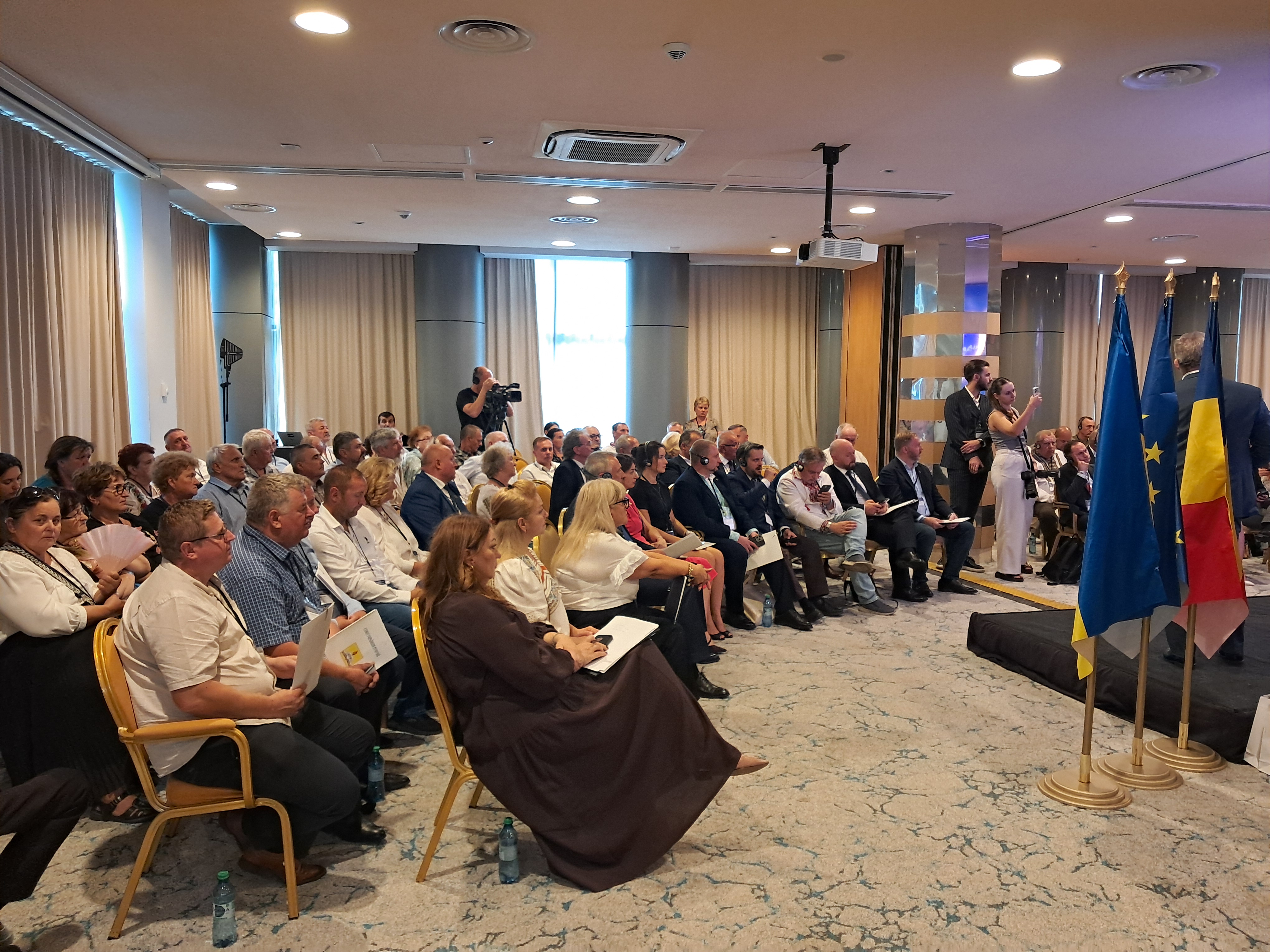
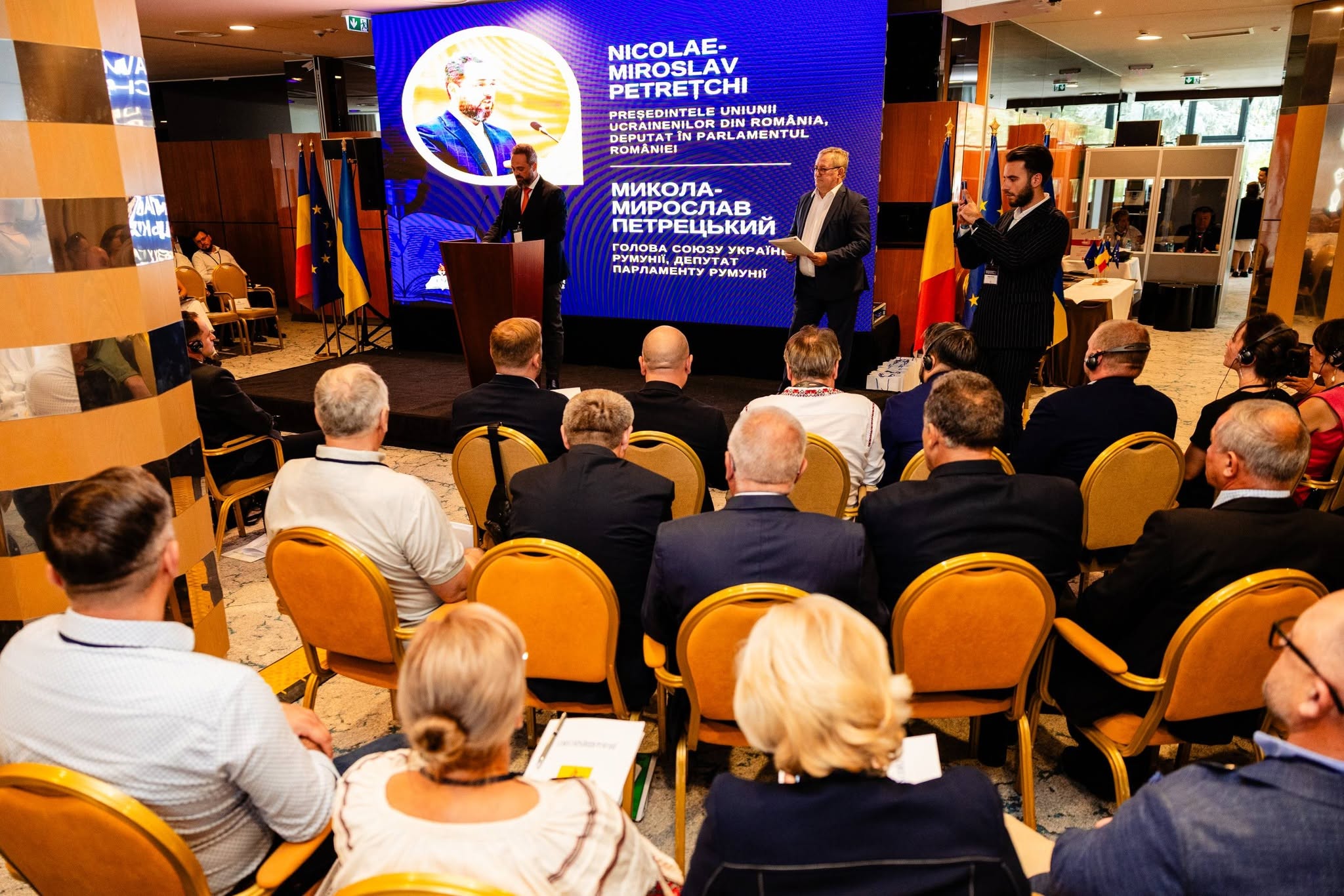
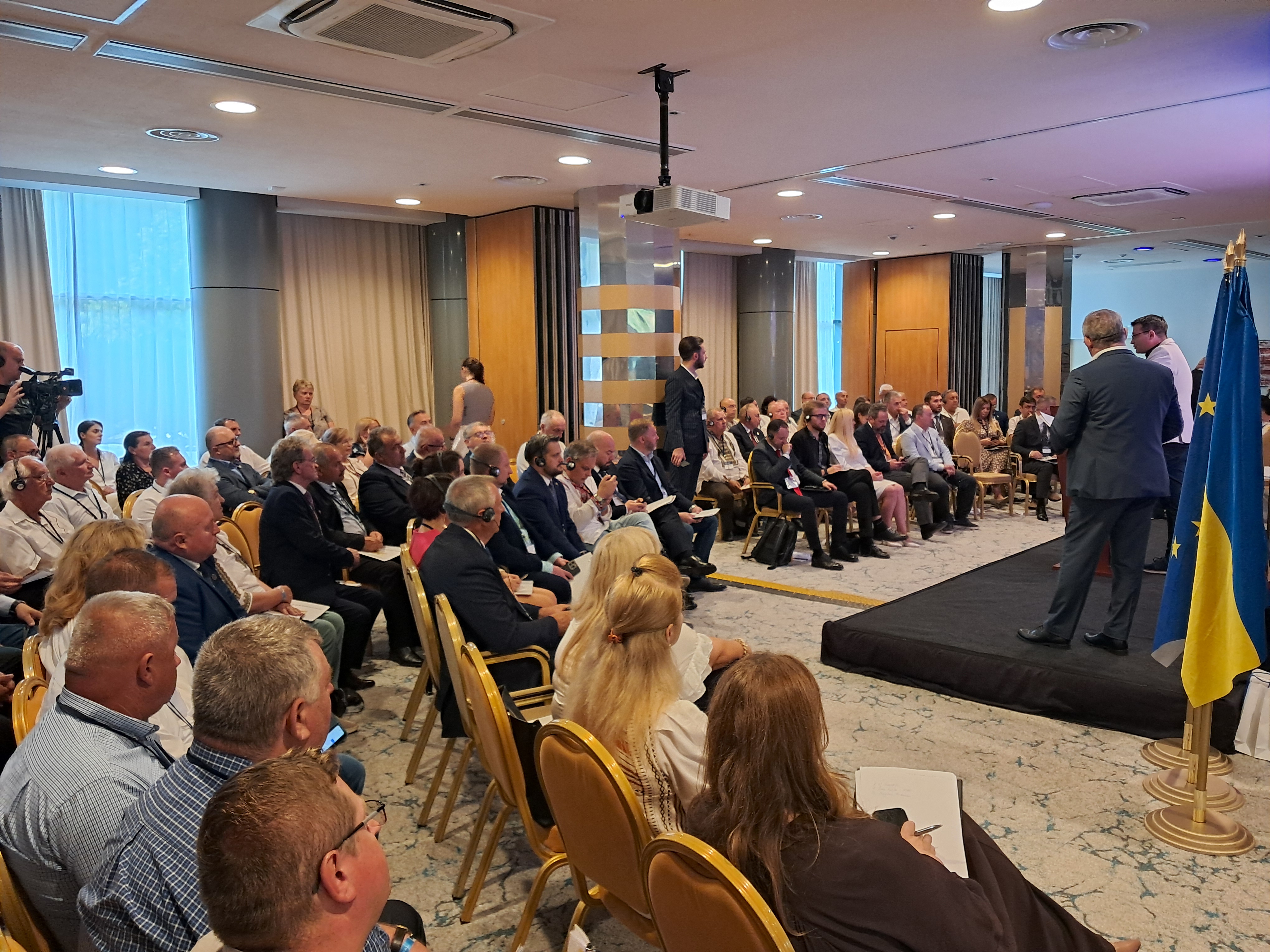
On 28 August, Eforie Nord, Constanța County, Romania, hosted a working and training meeting entitled “Strategies for Improving Local Government Effectiveness and Strengthening Cross-Border Cooperation between Romania, Ukraine and the Republic of Moldova”, organised by the Union of Ukrainians of Romania, a partner of the Public Resources and Initiatives Charity Foundation.
The meeting brought together representatives of central, county and local authorities from Romania, Ukraine and the Republic of Moldova, members of the diplomatic corps and representatives of the Ukrainian community in Romania.
The event aimed to exchange experience and good practices, identify practical areas for developing cross-border cooperation and strengthen the capacity of local communities.
Across five thematic working panels, participants discussed mechanisms for accessing European funding for cross-border projects, integrity, ethical standards and institutional transparency, as well as opportunities to digitalise public services.
Particular attention was paid to safeguarding language rights, preventing incitement to hatred, preserving and sustainably using cultural heritage, and involving citizens in local decision-making.
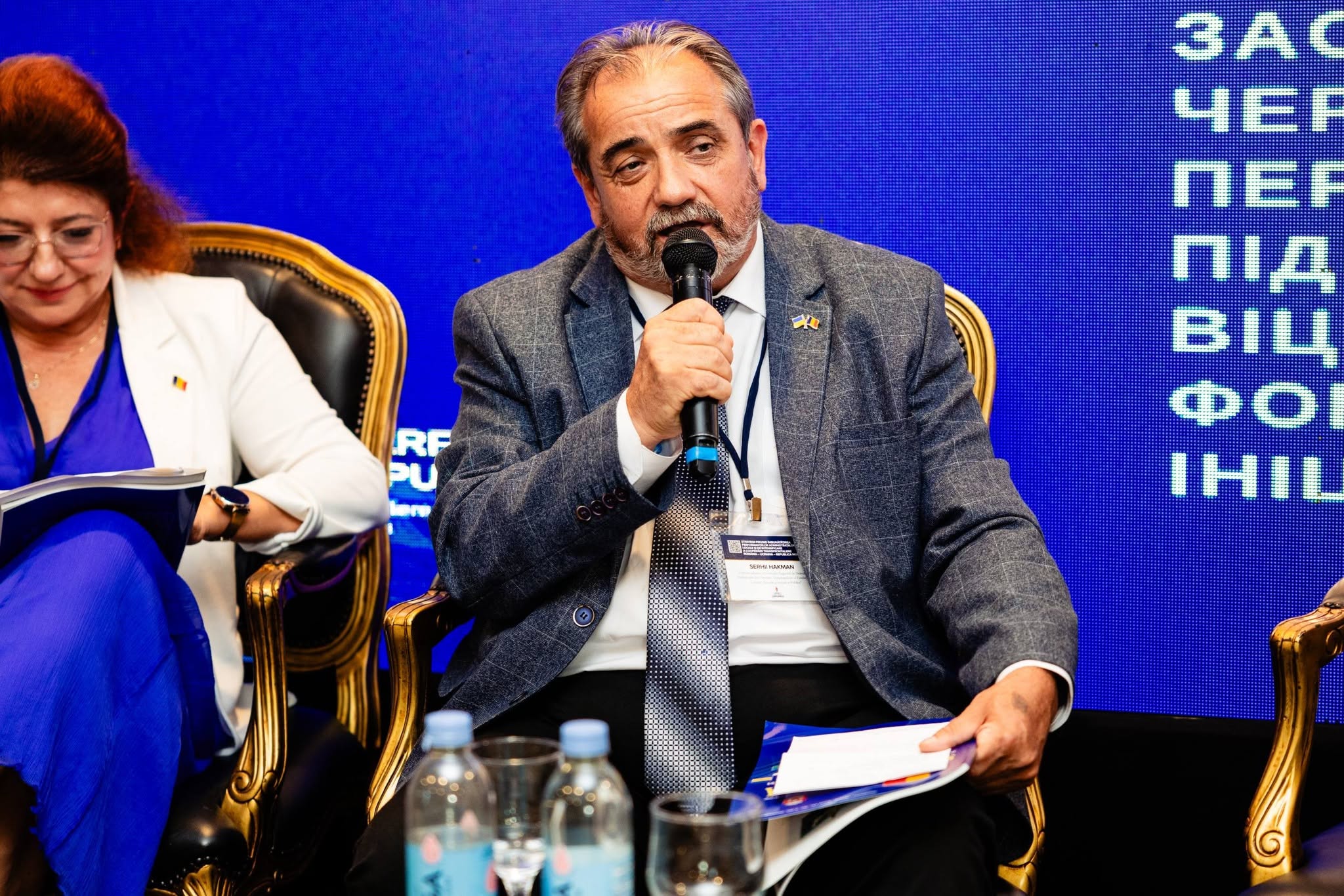
Serhii Hakman, Vice President of the Public Resources and Initiatives Charity Foundation and Deputy Director of the Chernivtsi Regional Centre for Professional Development, took part in the meeting.
In his presentation, he focused on Ukrainian–Romanian cross-border cooperation, the preservation of national minorities’ identities and their integration into wider society. Serhii Hakman also shared the Foundation’s experience in addressing negative ethnic, national and regional stereotypes in border regions, and in working with collective historical memory in communities with complex pasts.
In particular, he presented a series of projects under the shared title “Ordinary Faces of a Complex History”, which encourage reflection on difficult chapters of the past and foster mutual understanding among different communities.
The meeting reaffirmed that cross-border cooperation can extend well beyond cultural exchange. It can serve as a practical tool for community development, stronger institutional capacity, stability and social cohesion on both sides of the border.
 |
 |
 |
 |